Africa is not taxing gambling.
It is taxing the operators who stayed.
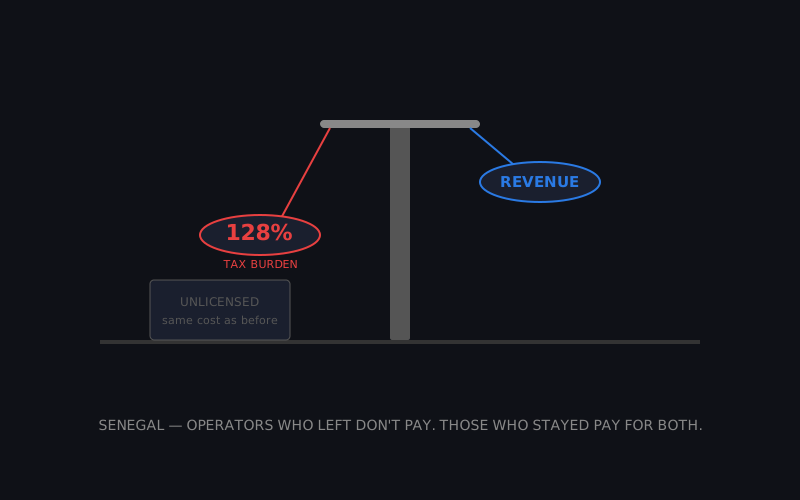
Senegal's licensed betting operators warned this month that the combined tax and regulatory burden can reach 128 per cent of revenue. Q1 2026 still generated $71 million. The government read that number as success. The operators read it as a ceiling they cannot survive past.
Kenya redesigned its gambling tax framework three times in two years. For most of that period, two regulatory authorities were sending contradictory compliance signals to the same operators. The Gambling Regulatory Authority launched. The BCLB is still there. The Finance Ministry is proposing a new winnings tax that the GRA itself opposes.
KwaZulu-Natal passed a provincial gaming and betting tax bill because the national framework still does not exist.
Ghana built a working enforcement architecture - then could not fund the capacity to run it. The framework is present. The enforcement is episodic.
The pattern across these markets is not that governments concluded gambling produces revenue. They concluded that more taxation produces more revenue. The licensed operators absorb the cost. The unlicensed alternatives remain at the same operating cost as before the tax was introduced.
Gambling is only a reliable tax vehicle while the licensed market functions. When the burden makes the licensed market uncompetitive, the tax vehicle drives off the road.
At 128%, the arithmetic is not ambiguous.
The operators who left are not paying the tax. The ones who stayed are paying for both of them.