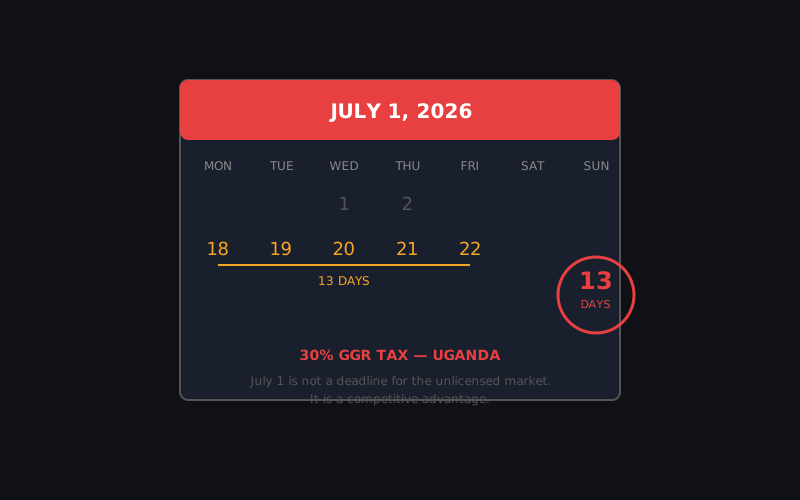
Uganda gave licensed operators 13 days.
The unlicensed market had 13 days too. And no deadline.
Uganda's Lotteries and Gaming (Amendment) Bill 2026 passed in April. It introduces a 30 per cent gaming tax across casinos and betting operations - up from 20 - and a new 15 per cent withholding tax on player winnings. Everything takes effect July 1.
Legal advisors published their implementation guidance in May. The window for operational preparation is, in their words, "narrow." Operators are expected to update accounting systems, revise payout structures, strengthen transaction reporting, and integrate with the Uganda Revenue Authority's new centralised gambling payment system.
All before July 1.
Uganda's interactive gambling market generated $435 million in gross win revenue last year. Approximately 26 per cent of that was captured by offshore operators. Those operators have the same 13-day window. They are spending it differently.
The Uganda Gaming and Betting Alliance lobbied Parliament for a more measured increase - 25 per cent rather than 30. Parliament went to 30. The alliance's concern was not the rate. It was this: when the compliance cost of staying licensed rises and the cost of not being licensed stays constant, you are not reforming the market. You are restructuring who participates in it.
The pattern is consistent across the continent. Every time an African jurisdiction raises the bar for licensed operators without addressing the conditions under which unlicensed operators function, the unlicensed market gets a structural advantage. Not because they are more sophisticated. Because they simply do not show up for the restructuring.
July 1 is not a deadline for the unlicensed market.
It is a competitive advantage.