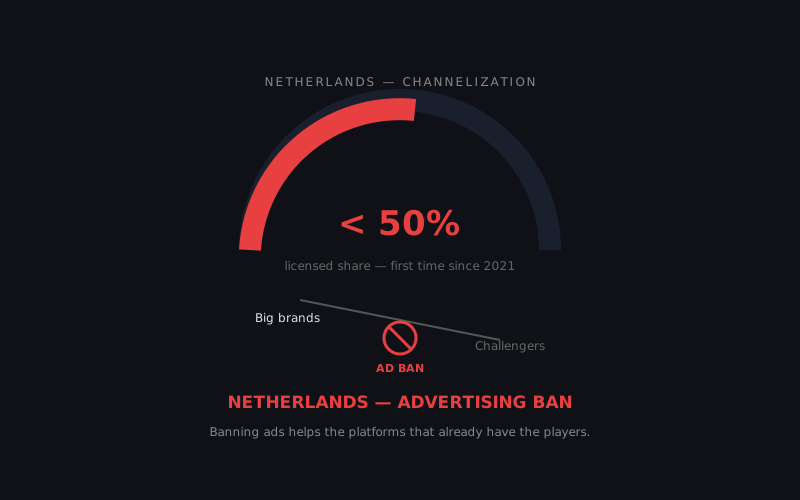
Advertising drives players to licensed platforms.
Banning it helps the platforms that already have them.
GGR channelization in the Netherlands fell below 50% last year. More Dutch gambling revenue now flows to unlicensed operators than to licensed ones - the first time since the market opened in 2021.
The government's response, announced June 12: ban all online gambling advertising, ban bonuses, introduce a single cross-platform deposit limit with affordability checks, raise the gambling age to 21. Parliament debates on June 24.
The channelization rate fell because the licensed market became more expensive and more restricted over time. That is the diagnosis the policy ignores.
Advertising is one of the few tools that draws players from unlicensed operators to licensed ones. Search optimisation, affiliate networks, and word of mouth are the tools the unlicensed side uses. None of these disappear when advertising is banned. The licensed channel gets quieter. The unlicensed channel does not.
KSA receives €15 million in additional annual enforcement funding starting 2027. That is welcome. It will also arrive years after the damage.
The companies that have said relatively little against the advertising ban already own their Dutch players. Flutter, Entain, Kindred - all built customer books in the Netherlands before the restrictions tightened. Their acquisition costs are sunk. An advertising ban costs them very little. It costs a new entrant everything.
What is called harm reduction here is also market consolidation. The policy achieves both simultaneously.
Parliament debates on June 24. The unlicensed operators are not on the agenda.
#iGaming #GamblingRegulation #Netherlands #Channelization #KyborgAI #iGamingCompliance
Company tagging note: Flutter, Entain, Kindred named. Chrome unavailable in scheduled runtime - org ID lookup not possible. Tagging deferred. No companies criticised directly - tagging would be permitted once IDs are resolved.