South Africa proposed a 20% national online gambling tax. Operators say the effective total - stacked on top of provincial levies - reaches 39%.
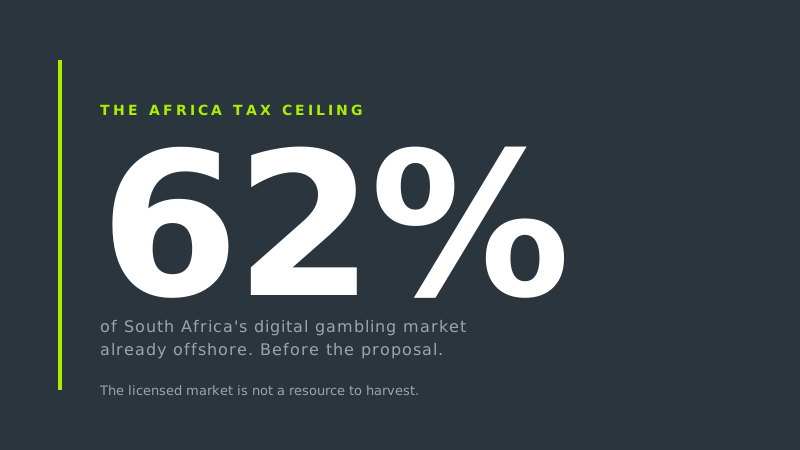
62% of the country's digital gambling market is already offshore. Before the proposal.
The same calculation is running across Africa's four largest iGaming markets simultaneously:
Kenya - 15% betting tax, in force. BCLB tightening advertising licensing at the same time.
Nigeria - 11% flat GGR from January 2026. A deliberate reduction from the previous fragmented structure to bring operators inside the system.
Ghana - 20% GGR. Abolished the stake-level betting tax last year after offshore migration accelerated. The GGR rate stayed.
South Africa - 20% national proposal. Effective 39%. Constitutional challenges already filed.
One of these is doing the right thing. Nigeria lowered the rate to make the licensed option viable. The other three are raising it.
Every regulator on the continent is running the same revenue calculation: how much can we extract from the licensed base? Not one of them is asking the prior question - what rate keeps the licensed option more attractive than the alternative?
Kenya was already documenting offshore migration before it raised the rate from 12.5% to 15%. Ghana had to abolish a second tax because the first one was emptying the licensed pool. South Africa's public comment process is happening with 62% of the digital market already gone.
The social harm framing makes this politically untouchable. If you oppose the tax, you're opposing harm reduction. That's the trap. The actual harm reduction argument - that high taxes push players to unlicensed platforms where no consumer protection exists - is structurally identical but rarely gets the platform.
The licensed market is not a resource to harvest. It is the outcome of making the legal option attractive enough to choose.