Two numbers are now circulating about Germany's online gambling market.
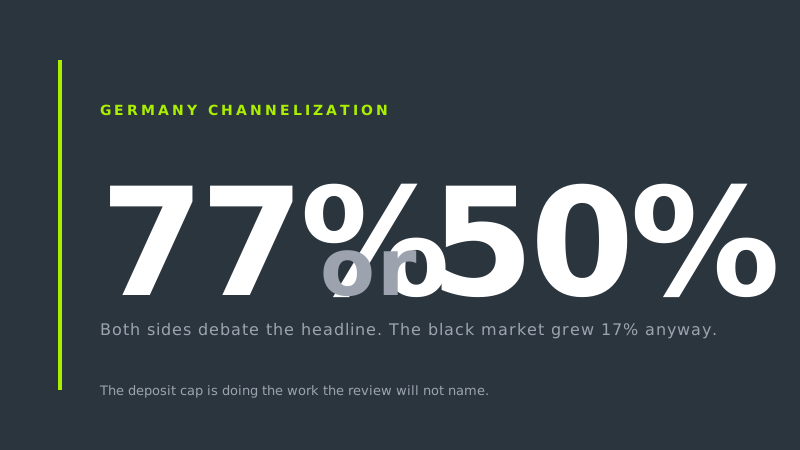
The GGL - the federal regulator - published a study this month showing 77% channelization. Three in four players are using licensed operators.
The DOCV - the operators' association - responded the same week, saying the real figure is closer to 50%. And the University of Leipzig put it at 50.7% in a separate study.
Both sides have survey data. Both sides have methodological critiques of each other. The debate will run until December, when the GluStV review concludes.
Here is what is not in dispute: the black market grew by 17% in 2024. Revenue hit EUR 547 million, up from EUR 466 million the year before.
That growth happened during a period of active enforcement. The GGL ran takedown operations. Operators were blocked. Tips were submitted. And the black market got larger anyway.
The reason is structural. Germany caps monthly deposits at EUR 1,000 across all licensed operators. That cap does not distinguish between a recreational player and a problem gambler. It catches both. The recreational player who exceeds it does not stop gambling. They move to a platform where no cap applies.
The black market is not winning on product quality. It is winning because the licensed market actively directs its most commercially valuable customers toward the exit.
The 2026 review will debate whether channelization is 77% or 50%. That argument is political.
The diagnostic question is: what kind of player is leaving, and where are they going?
The deposit cap answers that question. The review will need to look at it directly, or the next set of channelization figures will be just as contested.