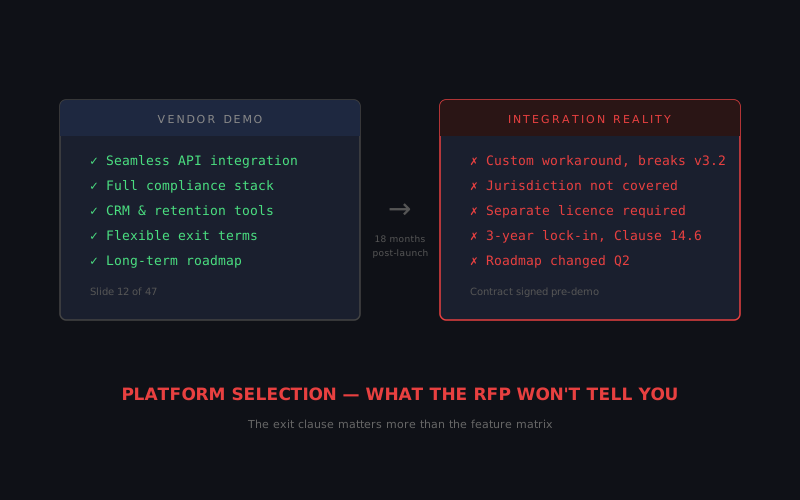
The RFP process was designed by vendors. The evaluation templates, the feature checklists, the scoring matrices that most operators use when selecting an iGaming platform - most of them originate with the people being evaluated. This is not a conspiracy. It is an industry standard that produces industry-standard results: operators selecting platforms on the criteria the platform already knows it meets.
The demo shows you the platform the vendor wanted to build. The integration shows you the platform they actually built. That gap reveals itself 18 months after go-live. By then, the exit costs more than staying. The lock-in was written into the contract you signed before the demo. Nobody checked it at the time because the demo was impressive.
Platform lock-in in iGaming operates at three layers. The first is data - player records, transaction history, bonus ledgers, all written in the vendor's proprietary schema. The second is integration - payment gateways, game content, CRM tools all wired to the platform's API, not to a standard you control. The third is regulatory - jurisdictions where the platform holds the licence, not the operator. That third layer is the one that never appears in the feature matrix.
Independent platform selection advisory starts with the exit clause, not the feature list. That reversal is deliberate. The feature list describes the platform in the vendor's best light. The exit clause describes it in daylight.
Two questions the vendor will not volunteer to answer. First: which of your compliance and AML/KYC requirements does this platform satisfy by default, and which require custom development that you will maintain indefinitely? Second: if you need to migrate in year three, what does that cost in data, in downtime, and in regulatory standing across each jurisdiction?
The compliance requirements are not an afterthought in platform selection. They are the stress test. A platform that clears the feature matrix and fails the compliance audit at licensing was never going to work for you. It passed the evaluation and failed the job.
The most expensive platform is not the one with the highest licence fee. It is the one that looked affordable at selection and revealed its real cost at renewal.