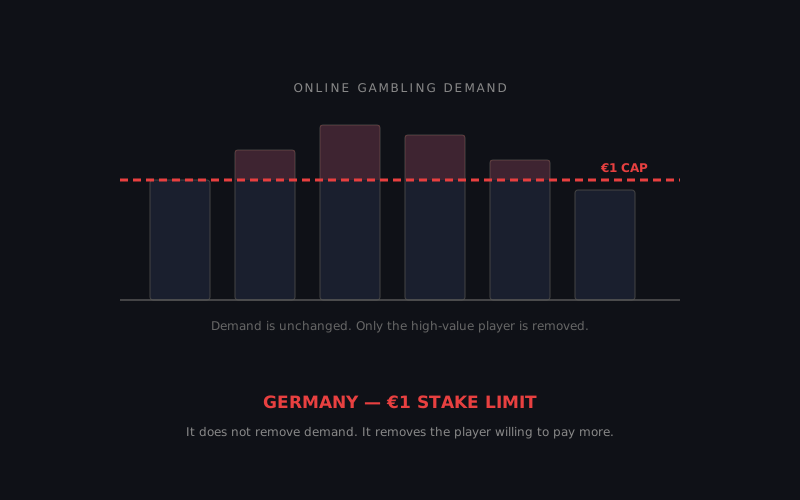
A 1 euro stake limit does not remove demand.
It removes the player willing to pay more.
Germany's GGL published a channelization study last quarter. 77% of online gambling activity goes through licensed operators. The regulator called it a success. The trade press called it progress.
What neither said: channelization is measured in transaction volume, not player value.
Sports betting in Germany is licensed and has been for years. Channelization there sits above 85%. Players are broadly comfortable with licensed sportsbooks, the product is good enough, and the restrictions are tolerable.
Online slots are different. The GGL's EUR 1 per spin limit and the mandatory 5-second pause between spins are not minor inconveniences. They are structural changes to what the product is. A player who was depositing 500 euros a session and playing at meaningful stakes is not the same player at 1 euro a spin. That player went somewhere else.
The 23% unlicensed market share is not uniform. It is concentrated. The operators who lost ground are not the ones selling EUR 1 sessions to casual players. They are the ones who built their business on higher-value customer segments - bet365, Flutter's casino vertical, Tipico's casino arm.
Regulators frame channelization as a consumer protection metric. Operators frame it as revenue. At 77%, those two framings look compatible. In the segment that matters most for margin, they are not.
Germany has a 77% channelization rate and a growing black market in its most valuable player segment. Both statements are true. The question is which number drives the 2027 Interstate Treaty review.